

How to Be a Better Partner: 9 Habits of a Great Boyfriend or Husband
Most men want to be a great partner. But somewhere between work, stress, and old habits, the relationship starts running on autopilot. Conversations turn into arguments, affection fades, and you're not sure what you're doing wrong.
If you're searching for how to be a better boyfriend or husband, here's the good news: you don't need grand gestures. Healthy relationships are built on small, practical habits you repeat every day.
In this guide, you'll learn what makes a healthy relationship, why good men struggle as partners, and 9 habits that will help you become a better partner, using tools from the Great Guys Tool Chest.

What Makes a Healthy Relationship?
A healthy relationship is one where both partners feel seen, safe, valued, and free to be themselves. It doesn't mean you never argue. It means you can disagree respectfully, repair after conflict, and keep choosing each other.
Being a better partner starts with being a better man. Read our guide on how to be a better man for the foundation.
Why Good Men Struggle in Relationships
Most men don't fail at relationships because they don't care. Common reasons include:
Trying harder instead of giving differently. More effort doesn't always create more connection.
Old childhood patterns. How we saw love growing up shapes how we give and receive it as adults.
Defensiveness. Feeling criticized can trigger a reaction before we've really listened.
Chasing instead of attracting. Pursuing, convincing, and controlling can push a partner away.
How to Be a Better Partner: 9 Habits That Build Healthy Relationships
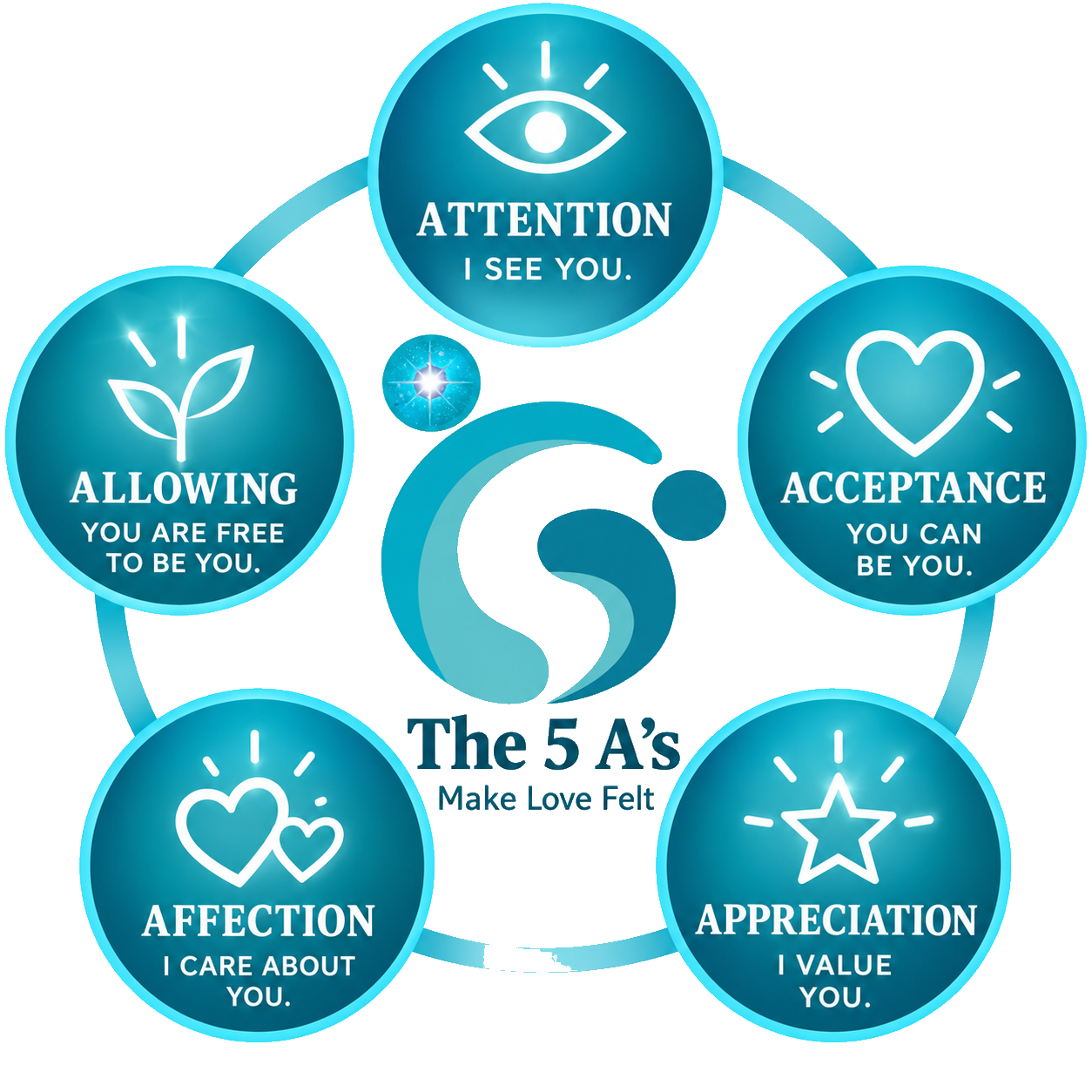
The first five habits come from the Great Guys 5 A's tool: Attention, Acceptance, Appreciation, Affection, and Allowing. Learn more about building love that lasts.
1. Give Your Full Attention
Put the phone down. Make eye contact. Ask a follow-up question. Attention says "I see you," and it's one of the simplest ways to make your partner feel valued.
2. Practice Acceptance
Your partner isn't a project to fix. Acceptance means appreciating who they are today, including the differences, instead of waiting for them to change.
3. Show Appreciation Every Day
Notice the small things and say them out loud: "Thanks for handling that," or "I love how you are with the kids." Appreciation builds goodwill that carries you through hard days.
4. Offer Affection Without an Agenda
A hug, a hand on the shoulder, a kind text in the middle of the day. Affection given freely, not as a lead-up to something else, builds trust and closeness.
5. Allow Your Partner to Be Themselves
Allowing means giving your partner space to have their own feelings, friends, interests, and opinions. Healthy love doesn't control. It makes room.
6. Listen Before You Defend
When your partner raises a concern, your first reaction may be to explain or push back. Try this instead: repeat back what you heard and ask, "Did I get that right?" Better communication in relationships starts with understanding, not winning.
7. Own Your Part and Make Amends
"I'm sorry" isn't the end of a conflict. It's the beginning of repair. The Amends tool helps you take responsibility, repair what's yours to repair, and rebuild trust through changed behavior.
8. Attract More, Pursue Less
Chasing harder can push what you want farther away. The Attract tool helps you shift from trying to get love to becoming the kind of man who naturally attracts it: calm, present, and secure.
9. Understand How Your Childhood Affects Your Relationship
Many adult relationship patterns started long ago. If you shut down during conflict or fear being abandoned, your past may be part of the story. Take the ACE Test and learn about an imperfect childhood to understand your patterns without letting them define your future.
Understand It. Use It. Live It.
Understand It
Ask yourself which of the 5 A's you give the least: Attention, Acceptance, Appreciation, Affection, or Allowing. Then ask which one your partner seems to need most.
Use It
This week, practice that one "A" every day. Small, specific actions count more than big promises.
Live It
Keep it going until it becomes a habit, then add another. Over time, these small choices become the foundation of a healthy relationship.
A Real-Life Example
After 12 years of marriage, Chris felt his wife had grown distant. His instinct was to try harder: plan bigger dates, buy gifts. Nothing changed. Using the 5 A's, he realized what she wanted most was Attention. He started putting his phone away at dinner and asking about her day, then really listening. Within weeks, she was reaching for his hand again.
Being a better husband or boyfriend often isn't about doing more. It's about giving differently.
Frequently Asked Questions
How can I be a better boyfriend?
Give your full attention, show appreciation, listen before you defend, and take ownership when you make mistakes. Consistency in small things matters more than big gestures.
How can I be a better husband?
Practice the 5 A's every day, make amends when you get it wrong, and keep learning about your own patterns. Long-term relationships grow when both partners keep growing.
How does childhood affect adult relationships?
Early experiences shape how we handle trust, conflict, and closeness. Understanding those patterns, for example through the ACE assessment, helps you respond as the adult you are today rather than the child you were.
How do I improve communication in my relationship?
Listen to understand, reflect back what you heard, and stay calm when emotions rise. Our guide on emotional intelligence for men can help you manage reactions during hard conversations.
Your Next Step
You don't have to change who you are to be a better partner. You may just need a better tool. Start with one habit today.
Explore the full Great Guys Tool Chest, read how to stop self-sabotaging, or join Great Guys to get practical tools delivered to your inbox. Let's tool up and help good happen.
Note: Great Guys offers personal growth tools and is not a substitute for professional advice. If your relationship involves abuse or you feel unsafe, please reach out to a qualified professional.
